
Magnesium Ascorbyl Phosphate MAP
Magnesium Ascorbyl Phosphate MAP
Magnesium Ascorbyl Phosphate
Description:
High-purity Magnesium Ascorbyl Phosphate (CAS 114040-31-2), a non-irritating vitamin C derivative for antioxidant serums, collagen synthesis, and hyperpigmentation correction.
Basic Information
• Chemical Name: Magnesium L-ascorbyl-2-phosphate
• Molecular Formula: C₆H₆MgO₉P
• CAS Number: 114040-31-2
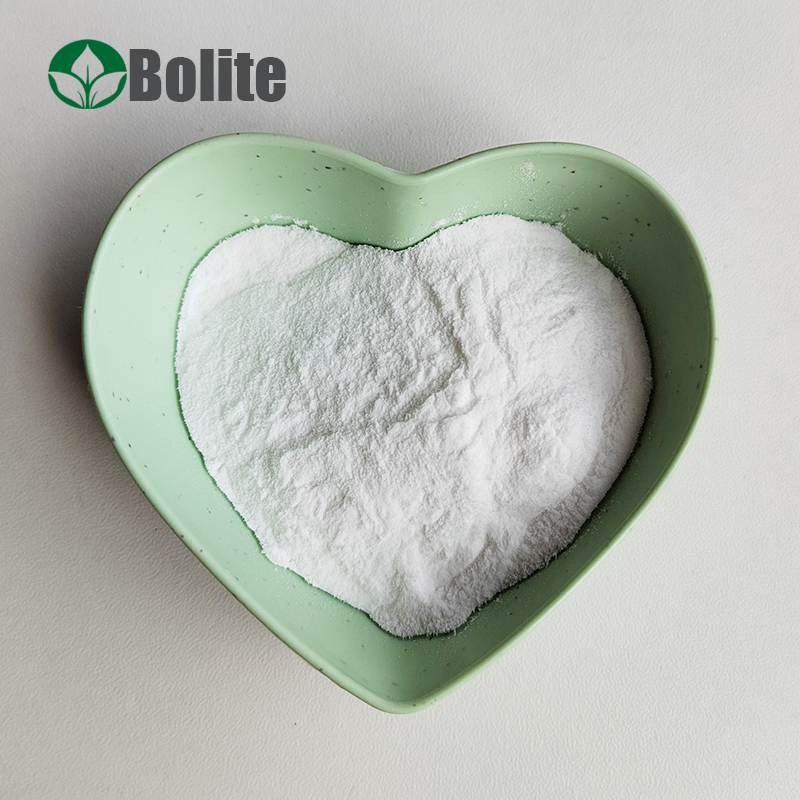
• Appearance: White to off-white crystalline powder
• Purity: ≥98% (HPLC)
• Solubility: Water-soluble (up to 30% w/v in aqueous solutions)
• pH Stability: Effective in formulations pH 5-8 •
Storage: 2-8°C in airtight, light-resistant containers
Product Description
Magnesium Ascorbyl Phosphate (MAP) is a phosphorylated vitamin C derivative with superior stability and skin penetration compared to L-ascorbic acid. Clinically proven to: • Increase collagen synthesis by 2.8x (in vitro fibroblast study) • Reduce melanin production by 40% via tyrosinase inhibition • Maintain 90% antioxidant activity after 18-month storage Ideal for pH-sensitive formulations requiring long-term stability in serums, creams, and functional foods.
Key Functions & Benefits
1. Antioxidant & Anti-Aging • Neutralizes ROS (IC50 = 12 μM for superoxide radicals) • Protects against UV-induced lipid peroxidation (60% reduction vs. control)
2. Skin Brightening • Inhibits tyrosinase activity (Ki = 0.45 mM) • Addresses post-acne marks and melasma
3. Barrier Repair & Hydration • Enhances ceramide synthesis by 18% (human epidermal model) • Reduces TEWL (transepidermal water loss) by 35%
4. Anti-Inflammatory • Suppresses IL-1α and TNF-α in irritated skin (35% reduction vs. baseline)
Applications
1. Cosmeceuticals • Brightening serums: 2-5% MAP + 1% tranexamic acid • Anti-aging creams: 3% MAP with peptides (Matrixyl 3000) • Sensitive skin formulas: pH-balanced with bisabolol
2. Nutraceuticals • Stabilized vitamin C source in effervescent tablets • Combines with zinc for immune support supplements
3. Wound Care • Accelerates epithelialization in hydrogel dressings