Exclusive discounts on health products today!

Cosmetic peptides Classify and using advice
Blog post description.
Andy Liu
1/18/20267 min read
Classification, Efficacy, and Dosage Recommendations of Beauty Peptides
I. Overview of Polypeptides and Beauty Peptides
Cosmetic peptides are compounds composed of α-amino acids linked by peptide bonds, and are intermediate products of protein hydrolysis. Peptides composed of two amino acids are called dipeptides, those composed of three amino acids are called tripeptides, and so on. Peptides composed of two to ten amino acids are usually called oligopeptides (small molecule peptides), while those with more than ten are called polypeptides.
Cosmetic peptides play an important role in the natural aging and care of the skin, involving various physiological processes such as cell proliferation, cell migration, inflammation, angiogenesis, pigment formation, and protein synthesis and regulation. By applying synthetic or naturally derived polypeptides topically to the skin, various skincare effects can be achieved, including promoting collagen production, fighting free radical oxidation, reducing inflammation and repairing damage, and whitening and fading dark spots.
Currently, polypeptides have become a highly sought-after active ingredient in skincare products, and almost all major international beauty brands offer products containing polypeptide active ingredients. In 2024, the Chinese cosmetic polypeptide market reached 2.17 billion yuan, and it is projected to further grow to 4.67 billion yuan by 2029.
II. Main Classifications and Mechanisms of Action of Cosmetic Peptides
Based on their mechanisms of action, cosmetic peptides can be broadly classified into three categories: signal peptides, carrier peptides, and neurotransmitter inhibitory peptides. The characteristics and typical representatives of these three types of cosmetic peptides are introduced below.
(I) Signal Peptides
Signal peptides can mimic the function of intercellular signaling molecules, acting as messengers that trigger fibroblasts to synthesize collagen, promoting the synthesis of matrix proteins, especially collagen. They may also increase the production of elastin, hyaluronic acid, glycosaminoglycans, and fibronectin, making the skin more elastic and youthful.
Typical Representative:
1. Palmitoyl Pentapeptide-4
This is one of the most representative components of signal peptides. It can mimic the function of intercellular signaling molecules, activating skin cells and promoting the production of extracellular matrix components such as collagen and elastin fibers, thereby enhancing skin firmness and elasticity while reducing wrinkle formation. Continued use of skincare products containing palmitoyl pentapeptide-4 can significantly reduce fine lines and wrinkles, making the skin firmer and more elastic.
2. Palmitoyl Tripeptide-5
Palmitoyl Tripeptide-5 precisely activates the synthesis of type I and type III collagen in fibroblasts by mimicking the TGF-β pathway signaling. In vitro experiments have confirmed that it can increase collagen production by 217% while inhibiting MMP-1 metalloproteinase activity, achieving anti-aging through a dual approach of "promoting collagen production + preventing damage." Clinical trials show that a 0.01% addition can reduce transepidermal water loss (TEWL) by 34.7% within 28 days, while simultaneously increasing the density of the stratum corneum lipid structure.
The recommended dosage of this ingredient is: 0.01%–0.03% in serums, 0.005%–0.02% in creams, and approximately 0.02% in freeze-dried masks.
(II) Carrier Peptides
The main function of carrier peptides is to stabilize and deliver trace elements (such as copper ions) crucial for skin repair, promote cell metabolism and repair, and stimulate skin cells to synthesize growth factors, thereby enhancing the skin's self-repair ability.
Typical Example: Copper Peptide (GHK-Cu)
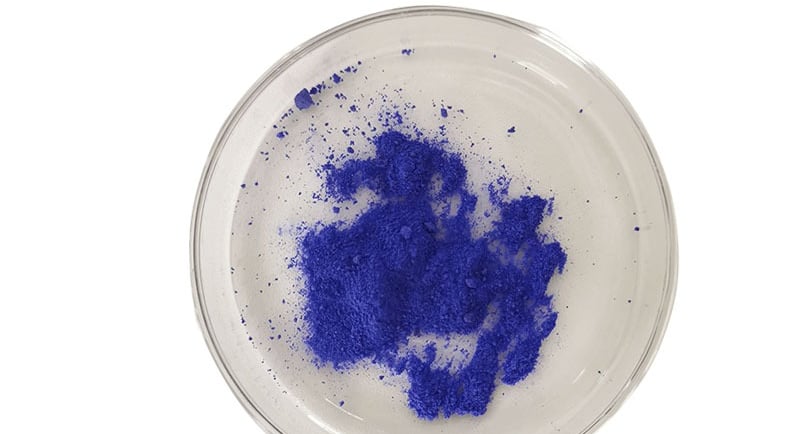
Copper peptide is composed of three amino acids—glycine, histidine, and lysine—plus a copper ion, abbreviated as GHK-Cu. It functions as both a carrier peptide and a signal peptide. When delivering copper ions, it promotes cellular copper uptake; when not delivering copper, it acts as a signal peptide to stimulate the synthesis of new collagen.
The main benefits of copper peptide include reducing fine lines, smoothing skin, promoting firmness and anti-wrinkle effects, and also promoting wound healing and anti-inflammation. Studies indicate that a concentration of only 0.04%–0.4% (i.e., 1–10 nanomoles) of copper peptide is sufficient to stimulate the synthesis of collagen and glycosaminoglycans, exerting repair and revitalizing effects. However, it is important to note that higher concentrations are not necessarily better—excessively high concentrations of copper peptide may actually accelerate collagen breakdown.
The recommended addition level of copper peptide is generally 0.04%–0.4%. When adding it to the formulation, temperature control is crucial; it is recommended to add it in the final stage of cosmetic production at an environment below 40°C. (III) Neurotransmitter Inhibitory Peptides
Neurotransmitter inhibitory peptides were developed to mimic botulinum toxin. By inhibiting the release of neurotransmitters (especially acetylcholine), they block signal transmission between nerves and muscles, relaxing facial muscles and thus smoothing dynamic wrinkles and improving expression lines. These peptides are suitable for improving wrinkles in areas with concentrated facial muscles, such as smile lines, forehead wrinkles, crow's feet, and nasolabial folds.
Typical Representative:
1. Acetyl Hexapeptide-8
Acetyl hexapeptide-8 is the most widely used representative of neurotransmitter inhibitory peptides. It is a human-inspired peptide that inhibits the release of acetylcholine by preventing the formation of the SNARE complex, reducing muscle contraction and thus reducing wrinkles, while allowing natural muscle movement without other side effects.
A systematic review (covering 10 studies with a total of 312 participants) showed that all studies reported that acetyl hexapeptide-8 significantly reduced the severity of wrinkles and scars, and no significant adverse reactions were found. This ingredient is safe and gentle, with long-lasting effects—approximately one-third of patients using Acetyl Hexapeptide-8 experience effects lasting 3.3 to 7.1 months.
Recommended Dosage: The recommended concentration in serums and creams is 0.002%–0.01%; in eye creams, it can be used in combination with caffeine and vitamin K1; in masks, it can be combined with hyaluronic acid nanocarriers to enhance transdermal absorption. Supplier-recommended addition levels are typically 10–200 ppm. Avoid direct mixing with strongly acidic ingredients (such as fruit acids with pH < 3.5) in the formulation. After opening, refrigeration (2–8°C) is recommended.
2. SYN AKE Peptide (Dipeptide-2-aminobutyrylbenzylamide diacetate)
SYN AKE Peptide are polypeptides that mimic the activity of the snake venom toxin Waglerin I. They act on the postsynaptic membrane of muscle nicotinic acetylcholine receptors, reversibly antagonizing these receptors, blocking the binding of acetylcholine to the receptors, inhibiting nerve excitation transmission, relaxing facial muscles, and quickly eliminating expression lines.
Experimental data shows that SYN AKE Peptide can inhibit muscle contraction with 82% the efficiency of botulinum toxin, yet they can work without penetrating the dermis, earning them the nickname "topical botulinum toxin." Third-party human trials have confirmed that continuous use at a 0.005% concentration for 4 weeks reduces the depth of dynamic wrinkles by 37% and the area of expression lines by 29%. This ingredient is stable at pH 5.5–7.0 and has been verified as non-irritating to sensitive skin through patch testing.
Recommended Dosage: For powder, the recommended addition is 50–150 ppm, added in the final stage of production at a temperature below 40°C. For solution (1000 ppm concentration), the recommended addition is 2%–8%. In eye creams, a concentration of 0.002% is sufficient to improve dynamic wrinkles around the eyes.
III. Other Functional Cosmetic Peptides
(I) Whitening Peptides
Nonapeptide-1
Nonapeptide-1 is a biomimetic peptide that precisely mimics the fragment structure of α-MSH (melanocyte-stimulating hormone), preemptively binding to the MC1R receptor on melanocytes and blocking the signaling pathway of melanin synthesis from the upstream. This "preventative" whitening method is particularly suitable for preventing pigmentation caused by stimuli such as ultraviolet radiation and inflammation.
Nonapeptide-1 has a molecular weight of approximately 1000 Da, acting only on the epidermis to avoid penetrating the dermis and causing sensitive reactions. Third-party human trials have confirmed that a formula containing 0.2% nonapeptide-1, used continuously for 28 days, resulted in a 32% decrease in erythema index and a 19% reduction in melanin density in sensitive skin subjects, with no adverse reactions such as burning or peeling.
Recommended dosage: Effective concentration is 10–100 ppm (i.e., 0.001%–0.01%). The pH of the formula should be controlled at 5.0–7.0, and it is recommended to add the aqueous phase below 45°C.
(II) Anti-inflammatory and Repairing Peptides Palmitoyl Tetrapeptide-7
Palmitoyl Tetrapeptide-7 is a synthetic polypeptide derived from an immunoglobulin IgG fragment. After palmitoyl modification, its lipid solubility increases, significantly reducing the level of the inflammatory factor interleukin (IL-6), inhibiting inflammatory responses and glycation damage, and reducing fine lines. The higher the concentration, the more significant the reduction in interleukin production, with an inhibition effect of up to 40%.
This ingredient can also be used in combination with palmitoyl tripeptide-1 in a 1:1 ratio to synergistically promote connective tissue growth and naturally increase collagen production in the skin.
Recommended dosage: 1%–4%. The product should be added to the aqueous phase of the cosmetic formulation at a temperature below 40°C, as a final step in the formulation process.
(III) Other Anti-wrinkle Peptides
Dipeptide diaminobutyryl benzylamide diacetate (snake venom-like peptide) has been described in detail in the section on neurotransmitter inhibitory peptides and will not be repeated here. In addition, there are various other peptides such as acetyl octapeptide and pentapeptide-18, each targeting different anti-wrinkle targets, which will be omitted here.
IV. Synergistic Application of Peptides
(I) Combination of Peptides
Combining peptides with different mechanisms of action can achieve a 1+1>2 effect. For example, the synergistic application of acetyl hexapeptide-8 and dipeptide diaminobutyryl benzylamide diacetate can achieve dual improvement in both static and dynamic wrinkles. Clinical studies show that this compound formula can improve static wrinkles within one week of use, and after 12 weeks, clinical scores for various types of wrinkles improve by 35%–69%, while dynamic wrinkles improve by 10%–13%.
The combination of blue copper peptide and palmitoyl tripeptide-5 has been successfully applied to domestic brands, with a repurchase rate increasing to 41% within three months of its launch.
(II) Combinations of Peptides with Other Active Ingredients
1. Combination with Retinol
Pentapeptide-1 and retinol form a golden combination, enhancing anti-aging effects while significantly reducing the irritation of retinol. Clinical data shows that a compound system containing 0.05% pentapeptide-1 can reduce retinol irritation by 43% while increasing collagen synthesis by 28%. This compound formula can also increase the retinol concentration in the formula to 0.3%–0.5% (traditional sensitive skin formulas are usually ≤0.1%).
2. Combination with Anti-inflammatory Ingredients
Acetyl hexapeptide-8 can be combined with anti-inflammatory ingredients such as bisabolol and asiaticoside to form a sensitive skin-friendly formula that combines anti-inflammatory and anti-wrinkle effects.
3. Combination with Hyaluronic Acid/Collagen
The combination of tripeptide-10 citrulline with hydrolyzed collagen and elastin peptides can simultaneously achieve a dual anti-aging effect of "instant filling" and "long-lasting regeneration": forming a moisturizing network within 30 minutes, visually reducing wrinkles by 41%; and increasing collagen density by 35% after 12 weeks.
V. Summary of Cosmetic Peptide Applications
As a core active ingredient in skincare, cosmetic peptides have been widely used in various functional areas such as anti-wrinkle, repair, and whitening due to their clear mechanism of action, good biocompatibility, and high safety. Different peptides have their own unique targets and effects, allowing for targeted skincare by selecting appropriate peptides based on specific skin problems.