
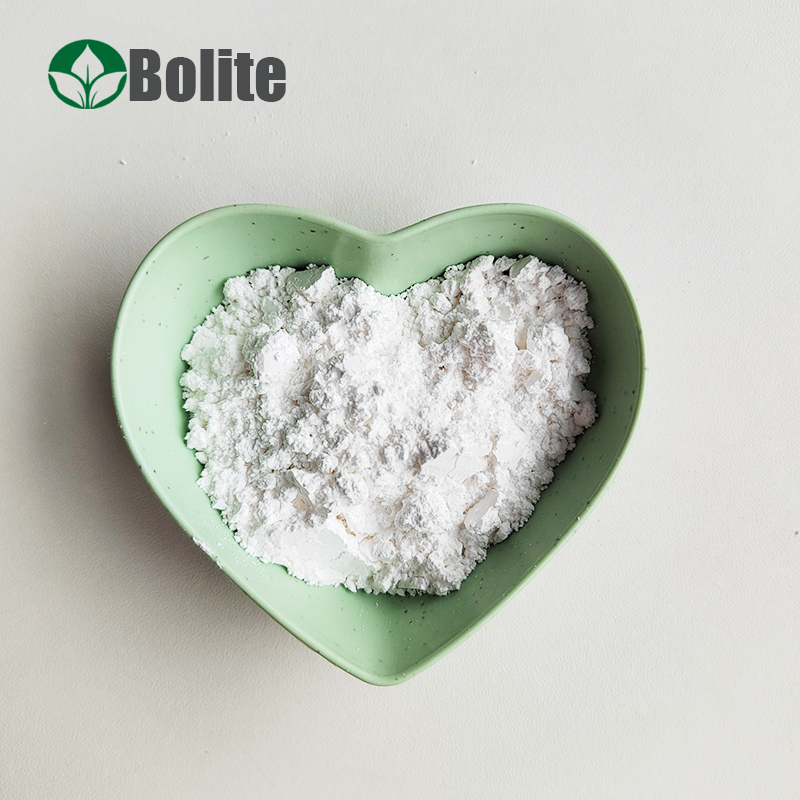
Cosmetic Grade Pure Ceramide NP Powder Ceramide 3
Ceramide NP Powder Ceramide 3, also known as molecular nail, is composed of long-chain sphingosine covalently bonded to fatty acids through amide bonds. According to the length of its sphingosine and fatty acid chain, as well as the degree of saturation and the number of hydroxyl groups, ceramide can be divided into ceramide I, ceramide II, ceramide IIIA, ceramide IIIB, and ceramide VI.
Ceramide NP Powder Ceramide 3 exists in all eukaryotic cells and plays an important role in regulating cell differentiation, proliferation, apoptosis, aging and other life activities.
As the main component of intercellular lipids in the skin stratum corneum, ceramide not only serves as a second messenger molecule in the sphingomyelin pathway, but also plays an important role in the formation of the epidermal stratum corneum. It has the functions of maintaining skin barrier, moisturizing, anti-aging, whitening and disease prevention. Treatment and other effects.
4. Functional characteristics of Ceramide NP Powder Ceramide 3
Ceramide accounts for about 40% to 50% of the lipids in the human stratum corneum. It is the main structural component of the stratum corneum that performs skin barrier, moisturizing and other functions. Its main physiological functions in the stratum corneum are:
(1) Barrier function of Ceramide NP Powder Ceramide 3:
When the barrier function of the skin stratum corneum is disordered, the synthesis of sphingolipids increases and reaches the highest value as the barrier function is repaired. The topical use of a certain amount of Ceramide NP Powder Ceramide 3 can restore the damage to the skin barrier function caused by organic solvent or surfactant treatment.
(2) Adhesion of Ceramide NP Powder Ceramide 3:
Ceramide exists in the intercellular lipids of the stratum corneum, and binds to cell surface proteins through ester bonds to serve as an intercellular connection. When the content of ceramide in the epidermis decreases with age or other factors, The adhesion of keratinocytes in the stratum corneum becomes smaller, resulting in loose stratum corneum structure, reduced skin barrier function, transepidermal water loss, and ultimately drying of the epidermis and even desquamation.
(3) Moisturizing effect of Ceramide NP Powder Ceramide 3:
While connecting the keratinocytes of the stratum corneum, the water-oil amphipathic nature of ceramide allows it to form a certain network structure in the stratum corneum, so that skin moisture can be preserved. Experiments show that external use of ceramide can increase skin conductivity. Increased, i.e. increased moisture content, improves the skin's ability to retain moisture. At the same time, ceramides obtained from plants can also have a good moisturizing effect on the skin.
(4) Anti-aging and anti-allergic effects: With age and skin aging, the lipid synthesis in the skin gradually decreases. The increase in ceramide content can increase the thickness of the epidermal stratum corneum and improve the "brick wall structure" of the stratum corneum, thus Enhance skin elasticity, prevent wrinkles and delay skin aging.