
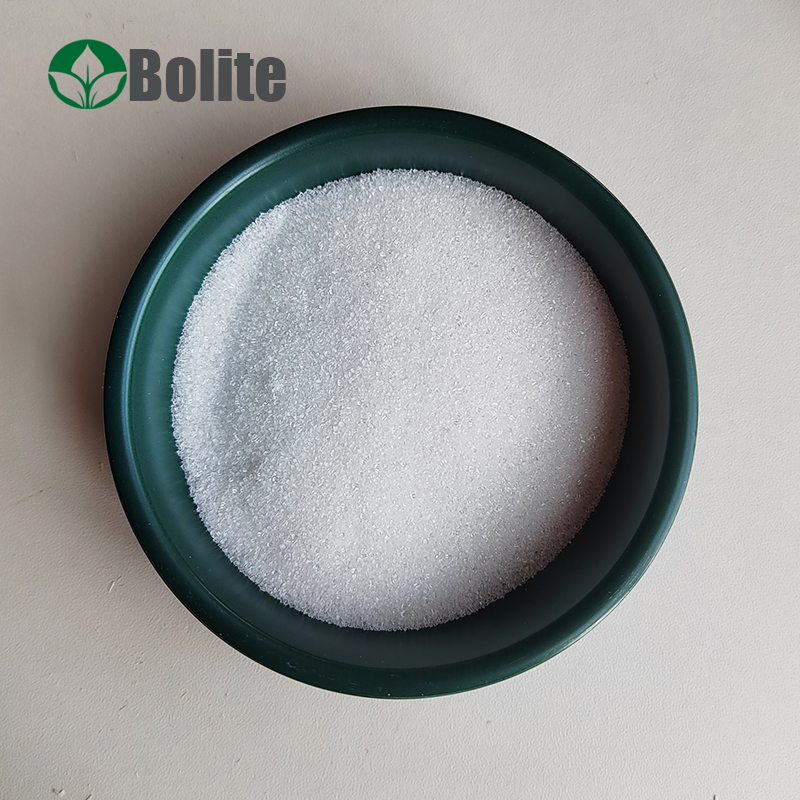
CAS 214047-00-4 palmitoyl pentapeptide-4 matrixyl acetate
Pentapeptide-4 (former pentapeptide-3) is a 5 amino acid length fragment of pro-collagen I (lysine-threonine-threonine-lysine-serine;
Matrixyl (Palmitoyl pentapeptide-4; former Palmitoyl pentapeptide-3) is the palmitoyl derivative of this pentapeptide (pal-KTTKS) and is more stable and active for topical application thanks to lipophilic conjugate from palmitic acid resulted from research aimed at enhancing peptide delivery while maintaining bioactivity, mildness, and skin benefit potency.
Palmitoyl Pentapeptide-4 is a pentapeptide synthetic chain protein produced by linking five amino acid peptides. According to research, this chain reacts in the dermal layer of the skin, stimulating collagen and elastin fibroblasts to form fibronectin (FN) and glycosaminoglycans (GAG). Palmitoyl Pentapeptide-4 is a small molecule that easily penetrates the skin and is structurally similar to the precursor of type I collagen. Pentapeptides are thought to communicate with cells and program them to perform specific actions, including repair work.
Palmitoyl Pentapeptide-4 is thought to be as effective as retinol in fighting wrinkles, but is less irritating. According to SmartSkinCare.com, “One study found that Palmitoyl Pentapeptide-4 was as effective as retinol in repairing sun-damaged skin, but without the side effects. Most other studies showed at least some improvement in various objective and subjective measures of wrinkles .”